
Operating amateur radio stations in remote or emergency environments often requires more than just radios and power sources—it demands a way to keep equipment and operators cool. Heat can degrade electronics, shorten battery life, and reduce operator comfort and focus. For HAM operators who run portable or off-grid setups, reliable and energy-efficient cooling becomes an essential part of field operations. Fortunately, a variety of off-grid cooling technologies exist that can be used individually or combined to create a robust and dependable cooling strategy.
Passive Cooling Systems
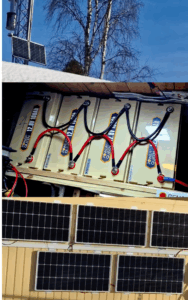 One of the most common approaches to off-grid cooling is the use of passive cooling systems. These require no electricity and can dramatically reduce heat exposure for both operators and equipment. Shade structures, reflective tarps (such as Mylar or space blankets), and strategically placed ventilation panels help reduce direct sun exposure and encourage natural airflow. When operating in fixed portable setups like Field Day stations or emergency deployments, placing radio equipment inside ventilated shelters or under insulated covers prevents overheating, especially when dealing with sensitive HF rigs or battery banks that generate heat.
Active Cooling Systems
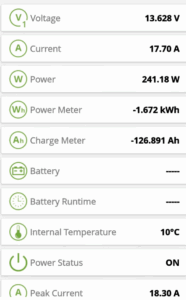 Another popular solution is using low-power active cooling devices. USB-powered fans, for instance, operate efficiently from power banks, small solar panels, or the same battery system that runs the radio. These fans can improve airflow around transceivers and amplifiers, helping maintain safe operating temperatures. For extended missions, compact 12-volt DC fans offer stronger airflow while still conserving energy. Pairing these fans with solar charging systems allows HAM operators to maintain active cooling throughout the day without draining reserve batteries intended for communications equipment.
For operators who need stronger cooling but still want to avoid high energy consumption, thermoelectric coolers (TEC or Peltier devices) offer a lightweight and portable option. Although these systems draw more power than simple fans, they use far less than traditional refrigerated coolers and can run directly from deep-cycle batteries or solar panels. Their reliability and low maintenance make them suitable for equipment cooling, especially in hot environments where radio components are prone to overheating.
Simple, Yet Effective Ice Packs
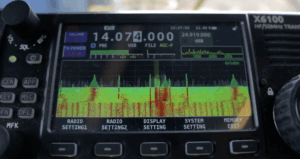 One of the simplest and most effective off-grid cooling solutions involves the use of ice or cold packs. Portable coolers filled with reusable ice packs provide a passive, quiet, and energy-free way to keep medications, batteries, and temperature-sensitive accessories cool. Bringing frozen gel packs to field operations is easy for shorter outings, while longer missions may require access to natural ice sources, evaporative cooling bags, or rotating packs from nearby off-site freezers. Some operators even use ice-assisted evaporative cooling—placing ice packs inside coolers or near fan intakes to create a chilled airflow that can cool both operators and equipment.
Evaporative coolers, also known as swamp coolers, offer another off-grid option when humidity levels are low. These coolers run on minimal power and use water to generate a cooling effect, making them ideal for desert or arid environments. Small, portable models can run on USB or 12-volt systems and offer surprisingly effective comfort cooling inside tents or mobile shacks.
By combining passive shading, low-power active cooling, ice-based solutions, and energy-efficient devices, HAM operators can maintain comfortable and safe operating conditions even in remote, off-grid locations. Thoughtful cooling planning helps preserve equipment longevity, reduces operator fatigue, and ensures reliable performance—no matter where the signal needs to go.