
Operating amateur radio stations in remote or emergency environments often requires more than just radios and power sources—it demands a way to keep equipment and operators cool. Heat can degrade electronics, shorten battery life, and reduce operator comfort and focus. For HAM operators who run portable or off-grid setups, reliable and energy-efficient cooling becomes an essential part of field operations. Fortunately, a variety of off-grid cooling technologies exist that can be used individually or combined to create a robust and dependable cooling strategy.
Passive Cooling Systems
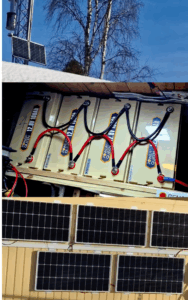 One of the most common approaches to off-grid cooling is the use of passive cooling systems. These require no electricity and can dramatically reduce heat exposure for both operators and equipment. Shade structures, reflective tarps (such as Mylar or space blankets), and strategically placed ventilation panels help reduce direct sun exposure and encourage natural airflow. When operating in fixed portable setups like Field Day stations or emergency deployments, placing radio equipment inside ventilated shelters or under insulated covers prevents overheating, especially when dealing with sensitive HF rigs or battery banks that generate heat.
Active Cooling Systems
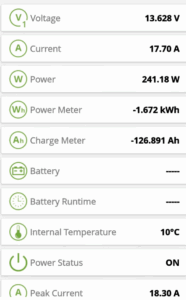 Another popular solution is using low-power active cooling devices. USB-powered fans, for instance, operate efficiently from power banks, small solar panels, or the same battery system that runs the radio. These fans can improve airflow around transceivers and amplifiers, helping maintain safe operating temperatures. For extended missions, compact 12-volt DC fans offer stronger airflow while still conserving energy. Pairing these fans with solar charging systems allows HAM operators to maintain active cooling throughout the day without draining reserve batteries intended for communications equipment.
For operators who need stronger cooling but still want to avoid high energy consumption, thermoelectric coolers (TEC or Peltier devices) offer a lightweight and portable option. Although these systems draw more power than simple fans, they use far less than traditional refrigerated coolers and can run directly from deep-cycle batteries or solar panels. Their reliability and low maintenance make them suitable for equipment cooling, especially in hot environments where radio components are prone to overheating.
Simple, Yet Effective Ice Packs
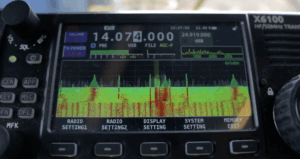 One of the simplest and most effective off-grid cooling solutions involves the use of ice or cold packs. Portable coolers filled with reusable ice packs provide a passive, quiet, and energy-free way to keep medications, batteries, and temperature-sensitive accessories cool. Bringing frozen gel packs to field operations is easy for shorter outings, while longer missions may require access to natural ice sources, evaporative cooling bags, or rotating packs from nearby off-site freezers. Some operators even use ice-assisted evaporative cooling—placing ice packs inside coolers or near fan intakes to create a chilled airflow that can cool both operators and equipment.
Evaporative coolers, also known as swamp coolers, offer another off-grid option when humidity levels are low. These coolers run on minimal power and use water to generate a cooling effect, making them ideal for desert or arid environments. Small, portable models can run on USB or 12-volt systems and offer surprisingly effective comfort cooling inside tents or mobile shacks.
By combining passive shading, low-power active cooling, ice-based solutions, and energy-efficient devices, HAM operators can maintain comfortable and safe operating conditions even in remote, off-grid locations. Thoughtful cooling planning helps preserve equipment longevity, reduces operator fatigue, and ensures reliable performance—no matter where the signal needs to go.
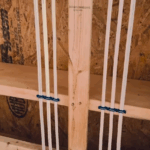 The first step in hiding wiring in a historic house is to respect the structure’s existing framework. Whenever possible, use existing chases, baseboards, and attic or basement access points to route cables. Many older homes have hollow wall cavities or unused plumbing chases that can serve as natural pathways for wiring, minimizing the need to cut into original plaster or wood. If drilling or opening walls is unavoidable, always consult with a professional electrician experienced in working with older structures. They can help identify safe, minimally invasive routes that preserve historical features.
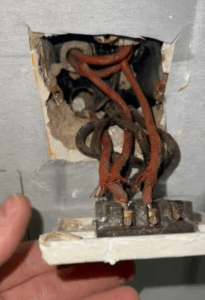 Baseboards and crown moldings offer some of the best opportunities for concealment. Modern
 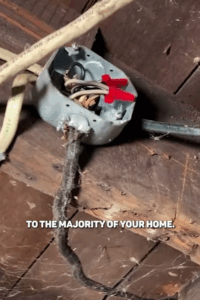 Another effective strategy is to run wires through attics, basements, or crawl spaces whenever possible. From there, wiring can be dropped vertically inside wall cavities to reach outlets, light fixtures, or switches. For homes without these access points, surface-mounted raceways or wire channels offer a reversible solution. Today’s raceways come in low-profile designs that can be painted to match wall or ceiling colors, making them nearly invisible. This approach is especially helpful when working around plaster walls that are too fragile to open or repair.
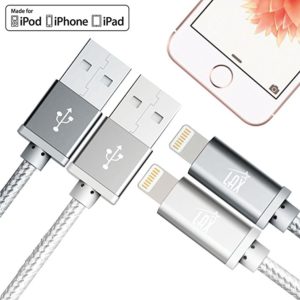 If you look around you when you go to work or shopping, perhaps even in your own home; everyone seems to have a gadget in hand. Those that don’t have it in their hand at the moment, will still have something close by. It could be a smart watch, a smart phone, video game consoles, laptops, HDTVs, or drones. We live in a world that is overrun by gadgets and gizmos. They are all great devices, but they do bring about problems. Considering you can spend several hundreds of dollars on a new device, you have to take a lot of steps to protect it.
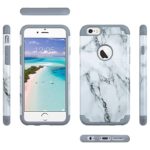 Most people have a phone case to protect their phone, which is typically in their hand. Many of these cases provide an extra layer of hard plastic that sticks up a tiny bit above the screen. This is to protect it from falls, and exceptionally worried people often add a rubber bumper to give them confidence that their phone will not be damaged by a drop on a hard floor or sidewalk. Some cases are only a few dollars and there are others that can cost you quite a bit, but we all feel that our phone is worth it. Smart watches that shouldn’t get wet are often left at home if we know it is going to rain. Drones that cannot fly during windy conditions or rain are not used during storms. If you have a laptop, you may go crazy if you see someone holding a drink near it because you do not want to take a chance on getting it wet. The downside is, no matter what you do to protect your gadgets, chances are good; they will still get dirty and then you are faced with the problem of having to clean while not using cleaners or water.
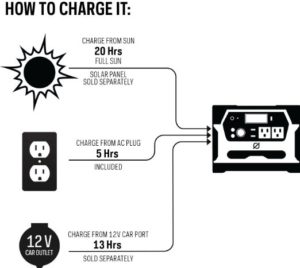 Solar power is ideal for many situations. It is a renewable energy source that takes advantage of what is available to it; the sunshine. Depending on the solar power option that you use, you may be able to take a little bit of sun and turn it into hours of power. The downside of solar power is the fact that during severe weather you may not get enough sun light to power a solar panel power supply. There are solar panels that can make use of any type of sunlight, even that which may be somewhat hidden by the clouds, but there are others that require direct sunlight to gain a full charge. You should double check to make sure that you are choosing the right option for your HAM radio if this is the source that you want to use.
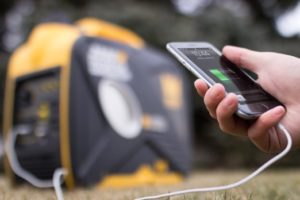 Generators are extremely popular when it comes to backup power. Most of them can run off regular gasoline, which is usually easy to find. Others may use natural gas, propane, or diesel, which are harder to find, but promise to last longer and provide more power. A great resource to learn more about generator availability and options is
 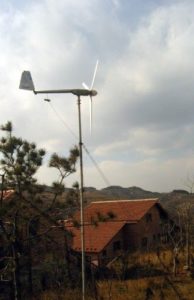 Wind generators are great for providing power. The downside is, that you need the wind to produce the power. This can be easy to achieve in severe weather, but as a backup supply of power during calm weather; you may not have the wind that you will need to produce enough power to keep your HAM Radio running. They are best suited for wide open spaces that have a steady wind or in a marine environment where the boat’s power can create wind.
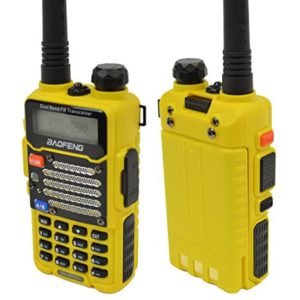 In situations where you are dealing with a natural disaster, many people rely on HAM radios. That is why there are often people who set up their HAM radios in an office or in their home. It is a great way for them to tell others what they are seeing where they live. They can talk about the weather or storm conditions that may be going on right now. It is a great way to provide friends and neighbors with information, even when cell phone towers may be ineffective. The thing is, you do not have to keep it in the home. It may be more useful if you have outdoor speakers for your radio so you can use it in other areas.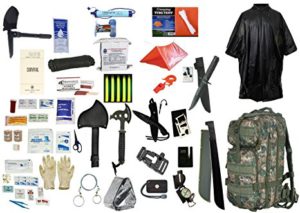
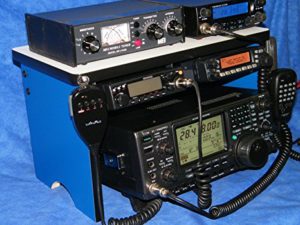 You can find outdoor speakers that are quality speakers on
  Radio communications have been a popular way for people to reach out and talk to or share information with other people. Ham radio makes it easier for everyone to take to the airways and broadcast the information that they feel is important to their community. The people who use this type of radio broadcast are amateurs, but this does not mean that their voices are unimportant and luckily there are radio frequencies that are allocated for them to be used.
 A ham radio can be broadcast if you have the license and permission to do so. From there, you can send out messages via your voice or Morse Code. It is done
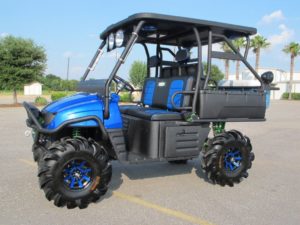
 Most people have a specific idea of what good four wheeler speakers should be like. First and foremost, people want them to be small and portable.
 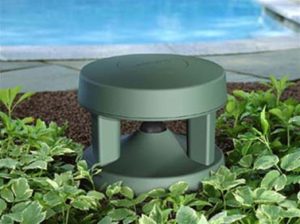 In-ground speaker systems are ideal for people who want to have music in their yard, but not a lot of big boxes scattered around. They are designed to blend in with the area. Most all in-ground speakers are green in color, but they may also be black. Many have a round shaped housing to ensure that rain does not affect their sound quality. You can hide them in bushes and along walkways. You may also choose rock speakers for outdoor areas. This is beneficial for people who may not have a lot of shrubbery, but may have a gravel path or pool area. Regardless of which you choose, there are Bluetooth speakers available and there are also affordable options.
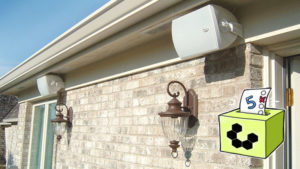 You may wonder why you specifically need outdoor speakers. You may think that you can use any type of speaker as long as it is sitting on your porch. This is true to some extent, but outdoor speakers are designed to handle the outdoor environment while providing you with a quality sound that you may not expect from outdoor speakers. They have durable housings, waterproof features, and the ability to block out dust. This means that when a blowing rain shower comes up, you do not have to watch out to make sure your speakers are not getting too wet. Their housing will not rot away and they will not become a breeding ground for mold and mildew. These types of speakers are designed to be used in the great outdoors so that you can enjoy your time outdoors just a little more. Doesn’t that make it worth it?