
Restoring or updating a historic home often involves finding the perfect balance between preserving its timeless character and accommodating modern conveniences. One of the greatest challenges homeowners face is concealing electrical wiring without disturbing the home’s architectural integrity. Exposed wires can detract from the authenticity of original woodwork, plaster walls, and decorative trim. Fortunately, with thoughtful planning and a few clever techniques, it’s possible to upgrade electrical systems discreetly while maintaining the home’s charm.
Respect The Structural Components
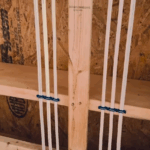 The first step in hiding wiring in a historic house is to respect the structure’s existing framework. Whenever possible, use existing chases, baseboards, and attic or basement access points to route cables. Many older homes have hollow wall cavities or unused plumbing chases that can serve as natural pathways for wiring, minimizing the need to cut into original plaster or wood. If drilling or opening walls is unavoidable, always consult with a professional electrician experienced in working with older structures. They can help identify safe, minimally invasive routes that preserve historical features.
Moldings & Baseboards
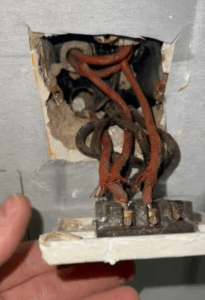 Baseboards and crown moldings offer some of the best opportunities for concealment. Modern flexible molding for stairs and curved walls has become a game-changer for those working in homes with unique architecture or winding staircases. This specialized molding bends easily to follow the contours of stair risers, treads, and handrail bases, creating a seamless finish that can discreetly hide low-voltage wiring, speaker cables, or even small conduit. Flexible molding not only conceals the wiring but can also enhance the visual continuity of the staircase, blending old-world craftsmanship with subtle modern updates. When painted or stained to match existing trim, it becomes virtually indistinguishable from the original design.
Wiring In Historic Attics
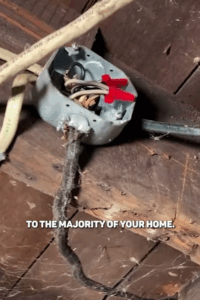 Another effective strategy is to run wires through attics, basements, or crawl spaces whenever possible. From there, wiring can be dropped vertically inside wall cavities to reach outlets, light fixtures, or switches. For homes without these access points, surface-mounted raceways or wire channels offer a reversible solution. Today’s raceways come in low-profile designs that can be painted to match wall or ceiling colors, making them nearly invisible. This approach is especially helpful when working around plaster walls that are too fragile to open or repair.
In rooms with exposed beams or decorative wood ceilings, wires can be hidden behind faux beams or within hollowed sections of trim. Similarly, for period-appropriate lighting, consider using reproduction fixtures with integrated wiring designed for modern safety standards. These fixtures maintain a historic look while accommodating up-to-date electrical systems.
Smart Wire Routing
Finally, meticulous finishing work makes all the difference. Repaint moldings and patched areas carefully to match surrounding finishes. Avoid overloading circuits or running too many wires through small spaces—safety should always come first, especially in older homes where insulation and materials may differ from modern standards.
By combining smart routing with thoughtful materials such as flexible molding for stairs, homeowners can enjoy modern wiring solutions that remain true to their home’s original beauty. The result is a seamless integration of old and new—a historic house that continues to tell its story, enhanced by the comfort and convenience of contemporary living.